

Introduction
A rat infestation can begin with something as simple as a small defect that nobody can see.
While homeowners often search gardens, lofts, kitchens and sheds when they notice signs of rodents, an important area is frequently overlooked: the drainage system. Much of a property’s drainage infrastructure is underground, meaning a damaged pipe or open connection can remain unnoticed for months or even years.
For this reason, successful Pest control is sometimes about more than removing rodents. It is about understanding the environment that allowed them to enter in the first place.
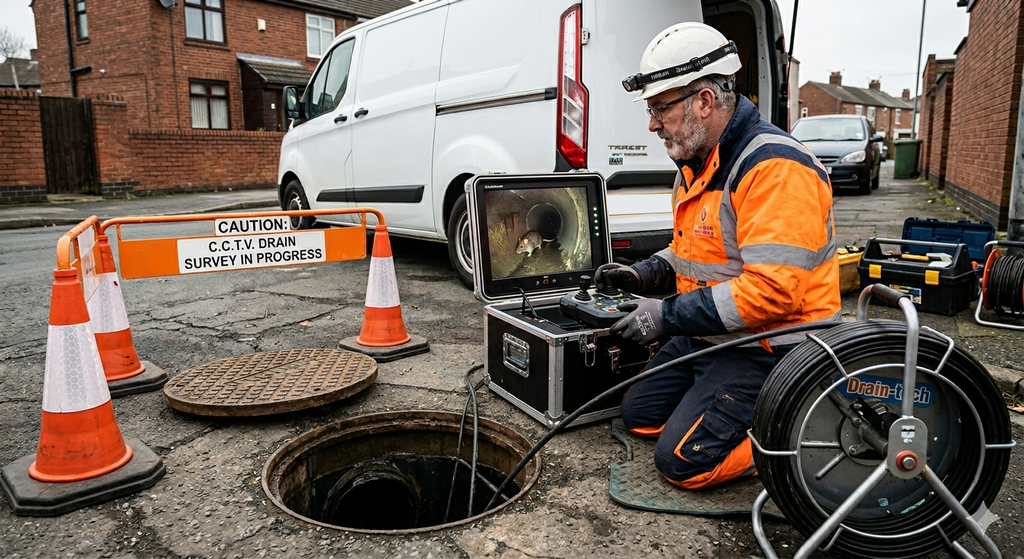
One useful investigative solution is CCTV Drainage Surveys for Rats. By examining drainage pipes with specialist camera equipment, professionals can investigate hidden routes and identify defects that may be contributing to repeated rat activity.
Why Rat Prevention Should Start With the Source
When someone discovers rats on their property, the natural reaction is to eliminate the immediate problem. That is understandable, but it can leave one important question unanswered: where did they come from?
If rodents have discovered a reliable route through underground drainage, removing the animals without addressing the access point may not provide lasting protection.
A property can therefore become caught in a cycle:
- Rats enter the drainage system.
- They discover a vulnerable route.
- Rodents reach the property.
- Treatment removes the current infestation.
- The entry point remains.
- New rodents eventually find the same route.
Breaking that cycle requires investigation and prevention as well as treatment.
How Drainage Can Become a Rat Highway
Underground drainage networks can connect different parts of a property and, in some circumstances, provide access from wider sewer systems.
Rats are highly adaptable. They can swim, climb and move through confined spaces, allowing them to exploit environments that would be difficult for many other animals.
Drainage systems can also offer shelter and moisture, while waste materials may provide potential food sources.
The condition of the pipework is particularly important.
A properly maintained drainage system should not provide rodents with easy access into a building. However, structural deterioration or poor connections can create weaknesses.
Potential problems include:
- Fractured pipe sections
- Openings caused by damaged joints
- Poorly sealed connections
- Redundant pipework
- Damaged inspection chambers
- Gaps around access points
- Broken or deteriorated drainage components
These issues may not be visible from the surface.
The Value of CCTV Drainage Surveys for Rats
Traditional investigation can become difficult when the suspected entry point is underground. Digging without knowing exactly where the problem lies can be disruptive, costly and time-consuming.
CCTV technology provides another approach.
A specialist camera can be introduced into accessible sections of the drainage network and moved through the pipes. The inspection allows technicians to examine the condition of the system and search for evidence that could explain the rat problem.
The survey can investigate drain runs, junctions and branch connections while looking for structural defects and potential rodent access points.
This information can then help determine what action should be taken.
What Can a CCTV Survey Reveal?
Depending on the condition of the drainage network, an inspection may identify:
Structural Damage
Cracks, fractures and broken sections can compromise the integrity of a drainage system.
Joint Problems
Connections between pipes can become displaced, leaving gaps that may provide access.
Unused Connections
Old or redundant drainage routes can become potential vulnerabilities if they have not been properly sealed.
Evidence of Rodent Movement
Camera footage may reveal signs associated with rat activity inside drainage runs.
Difficult-to-See Access Routes
A property owner may know that rats are present but have no idea how they are entering. CCTV can help connect the visible infestation with an underground cause.
Benefits of Investigating the Drainage System
A More Targeted Approach
One of the biggest benefits is that investigation can replace assumptions with evidence. Instead of treating every possible entry point, professionals can focus attention on areas where a genuine vulnerability has been identified.
Less Disruption
Because CCTV equipment can inspect pipes internally, there may be less need for immediate excavation simply to locate the suspected defect.
Better Long-Term Planning
A survey can provide useful information for deciding whether pest treatment, drainage repair, rat-proofing or a combination of measures is required.
Useful Reports and Visual Evidence
Professional surveys may include detailed findings, diagrams or video files. These can help property owners, landlords and businesses understand what has been discovered and communicate the issue to drainage specialists when repairs are needed.
Combining Pest Control With Rat Proofing
Removing rats is only one part of protecting a property.
Once the source has been identified, the next consideration should be how to make the route less accessible.
Rat-proofing measures depend on the individual property and the defects discovered. If a damaged section of pipe is allowing access, repair may be necessary. If an unused opening has been identified, appropriate sealing may be considered.
Professional pest-control technicians can assess the findings and advise on suitable preventative measures.
This approach changes the focus from temporary relief to long-term protection.
Who Can Benefit From a Drainage Survey?
CCTV drain investigations are not limited to private homeowners.
They can be useful for a range of properties where rodent activity creates concern.
Homeowners
Recurring rats can cause considerable stress, particularly when the entry point is unclear.
Landlords
Landlords may need to understand whether a recurring infestation is connected to a structural or drainage issue.
Offices and Commercial Premises
Businesses have additional responsibilities when pest activity could affect employees, customers or the working environment.
Restaurants and Food Businesses
Food-related premises need to take pest activity seriously because rodents can create hygiene and contamination concerns.
Warehouses and Shops
Large commercial spaces may have multiple potential access points, making professional assessment particularly useful.
Schools and Other Facilities
Buildings with regular human activity and extensive drainage systems can also benefit from preventative pest management.
Signs That You May Need a Professional Investigation
A single sighting of a rat does not automatically prove that your drainage system is defective. Nevertheless, repeated signs deserve attention.
Consider professional investigation if you notice:
- Rats repeatedly appearing near your property
- Rodent activity around drains or inspection chambers
- Scratching sounds close to plumbing areas
- Droppings around kitchens or utility spaces
- Strong or unusual odours
- Evidence of gnawing
- Repeated infestations following previous treatment
- No obvious above-ground route into the building
Recurring activity is particularly important. If the same problem keeps returning, there may be an unresolved access point.
Why Delaying Treatment Can Be a Mistake
Rats rarely become easier to manage simply because they are ignored.
An established infestation can create greater disruption and may result in property damage, contamination and ongoing hygiene concerns. Rodents are also capable of damaging materials by gnawing, potentially affecting parts of a building and its contents.
For businesses, the consequences can be even more significant because pest activity may affect day-to-day operations and customer confidence.
Early professional advice allows the situation to be assessed before it develops further.
Choosing a Professional Pest Control Service
When selecting a pest-control provider, property owners should consider more than the price of treatment.
Experience, insurance, professional accreditation and the ability to investigate the underlying cause can all be valuable.
A company offering both pest-control support and specialist rat drain investigation can provide a more connected approach. Rather than treating the infestation as an isolated event, the team can investigate whether the building’s drainage infrastructure is contributing to the problem.
For customers in Chelmsford and across Essex, local pest-control services can also provide faster assistance when urgent rodent problems arise.
Building a Better Rat Prevention Strategy
The strongest approach to rat prevention combines several measures rather than relying on one solution.
First, identify the signs of activity. Next, determine how rodents are accessing the property. If drainage is suspected, a CCTV survey can investigate the underground system. Once defects are identified, appropriate repairs and proofing measures can be considered.
Finally, ongoing awareness can help property owners spot new signs before an infestation becomes established.
This creates a simple but effective principle:
Find the route, remove the problem and protect the property against repeat access.
Conclusion
Rat problems can sometimes be symptoms of a hidden drainage issue rather than a standalone pest problem.
Because drainage networks are largely concealed underground, property owners cannot always see cracks, displaced joints, open connections or other defects that may give rodents access. CCTV Drainage Surveys for Rats provide a practical method of examining these hidden areas without relying entirely on guesswork or unnecessary excavation.
The findings can help guide both pest treatment and future rat-proofing work.
Effective Pest control should therefore look beyond the rodents that are currently visible. By investigating how rats entered the property and correcting the vulnerabilities that allowed them in, homeowners, landlords and businesses can take a more proactive approach to protecting their premises.
When rat activity keeps returning, the answer may not be above ground at all—it could be waiting inside the drainage system.
