

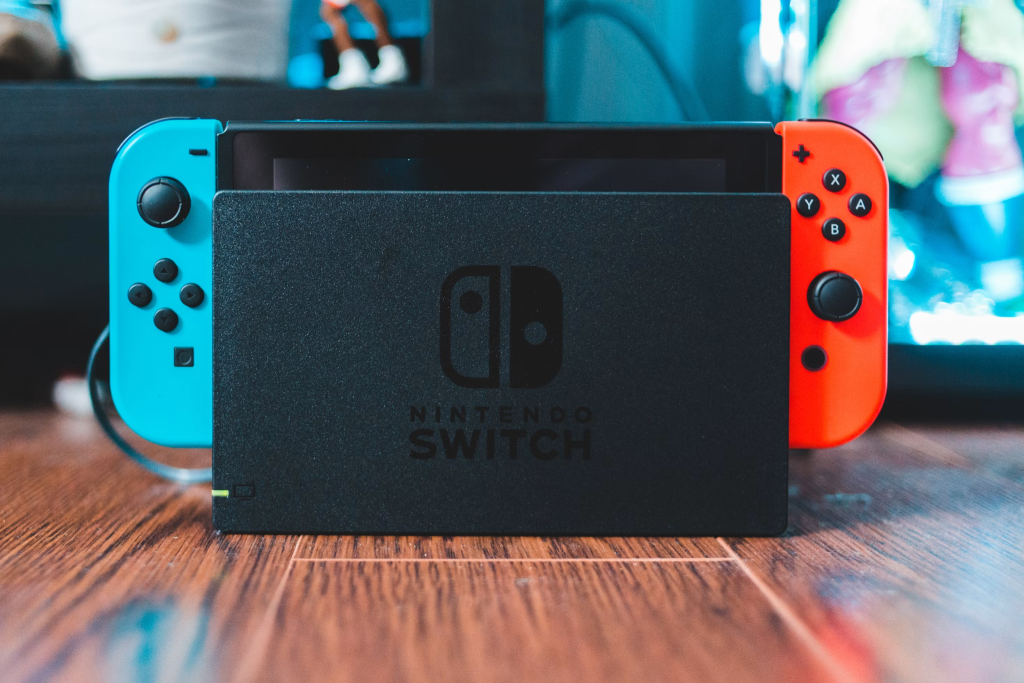
Balancing work, study, social life, and hobbies often means gaming sessions drift between bedrooms, commuter seats, and weekend trips. The new wave of handheld PCs — Steam Deck successors, Android clamshells, and cloud-first tablets — mirrors that restless rhythm. Competition pushes clock speeds higher, chassis slimmer, and batteries tougher, transforming portable play from casual distraction into a genuine rival for desktops.
Surging usage metrics from community hubs such as x3bet confirm the trend. Matchmaking peaks now appear during lunch breaks, airport layovers, and stadium queues, moments once written off as “dead time.” The pattern shows that mobility no longer equals compromise; instead, pocket-sized hardware unlocks extra windows for serious play.
Constraints That Became Catalysts
Early handhelds survived on 8-bit sprites partly because silicon stayed cool in cramped shells. Limited power forced concise design, and that discipline turned into charm. Today’s chips flip the equation: performance leaps invite ambitious worlds once stuck on console, yet battery and thermal ceilings still apply pressure. Engineers respond with clever tricks — dynamic resolution, vapor chambers, and smart fan curves — turning constraints into a playground for innovation.
Five Technology Shifts Driving Portable Progress
- Chiplet Architecture: Smaller dies reduce heat while packing more cores, delivering desktop-like frame rates at half the wattage.
- Mini-LED Panels: Brighter screens at lower power usage keep visuals crisp even under sunlight.
- USB-C Universal Charging: Shared adapters lighten backpacks and remove anxiety about proprietary bricks.
- Cloud Caching: Background downloads finish automatically when Wi-Fi resurfaces, so sessions start instantly offline.
- Haptic Micro-Motors: Precise feedback compensates for shorter thumb sticks, preserving control finesse.
Lifestyle Over Hardware Specs
Marketing departments love teraflops, yet survey data paints another picture: buyers place uninterrupted play above raw benchmarks. Dorm rooms may host a desktop, but housing moves or family visits still happen. A powerful handheld dodges cable clutter in shared apartments and turns train seats into practice arenas for upcoming tournaments.
Esports organizations notice. Several mid-tier leagues permit portable PCs during boot camps because uniform hardware removes variance between hotel rigs. Sponsorship deals follow, further legitimizing platforms once mocked as toys.
Practical Advantages Players Cite Most Often
Instant Setup
No external monitor or mechanical keyboard is needed; open the lid and the dashboard appears.
Shared Spaces Friendly
Lower fan noise and compact footprints avoid roommate disputes about desk real estate.
Cross-Platform Saves
Seamless cloud sync moves progress between handheld, console, and phone, trimming backlogs.
Accessory Flexibility
Bluetooth pads, fold-out stands, and HDMI docks let one device adapt to couch, plane, or tournament table.
Energy Efficiency
Modern APUs draw fewer watts per frame, easing concerns about rising electricity costs.
The Mid-Article Pause: Weighing Hidden Trade-Offs
Performance throttling still lurks under sustained load. Marathon raids drain batteries and warm keyboards, urging shorter bursts or power-bank backups. Component upgrades remain scarce; when a GPU ages, resale or replacement becomes the main path forward. Price parity also complicates decisions, as premium portables approach small-form desktops once accessories are counted.
Developers juggle optimisation tasks accordingly. Variable-rate shading, adaptive sync, and low-memory asset streaming all matter more when players roam beyond wall sockets. Studios that ignore thermal cliffs risk review-section backlash, pushing quality-control teams into fresh skill sets.
Cultural Impact Beyond Hardware
Portable rigs reshape social habits. Local co-op returns as coffee-shop gatherings replace living-room couches. Convention queues double as ad-hoc LAN parties. Game studios run live focus groups in public parks, watching spontaneous sessions reveal control quirks missed in offices.
Indie scenes benefit too. Lower distribution friction allows experimental bite-size projects to thrive next to AAA ports. A rhythm rogue-lite can grow viral because download finishes before a bus reaches downtown; word of mouth spreads faster when barrier to entry equals a tap while waiting for friends.
Community Trends Giving Portables Momentum
- Micro-Event Tournaments: Bracket apps auto-seed eight-player matches at meetups, turning strangers into rivals within minutes.
- Mod-Friendly ROM Spaces: Open firmware invites fan translations and performance tweaks, extending shelf life.
- Creator Economy Tools: Built-in capture shortcuts let streamers share highlights straight from park benches.
- Wellness Integration: Step counters tie fitness goals to in-game rewards, blending health tracking with progression.
- Education Partnerships: Schools deploy handheld PCs for coding classes, normalising game-ready hardware in academic halls.
Looking Ahead: Power, Portability, and Purpose
Battery chemistry research promises 48-hour standby with active play approaching desktop session lengths. Foldable screens may enlarge battlefields without sacrificing luggage space. Satellite internet chips edge closer to mainstream, hinting at low-latency matches from hiking trails.
Yet the race is not purely technological. Success hinges on balanced ecosystems: fair monetisation, accessibility options, and cross-input matchmaking that respects both handheld and desk setups. Studios embracing scalable interfaces and adaptable difficulty will capture audiences who move fluidly between contexts.
Closing Reflection
Portable gaming surged because daily life demanded flexibility and technology finally complied. Power in a backpack resolves scheduling conflicts, enriches social pockets, and turns transit into potential progress. While desktops keep queens of raw performance, handheld PCs claim crowns for freedom, freedom to move, connect, and compete whenever the moment allows. That freedom explains why backpacks now carry more silicon than textbooks and why the trend shows no signs of slowing.
