

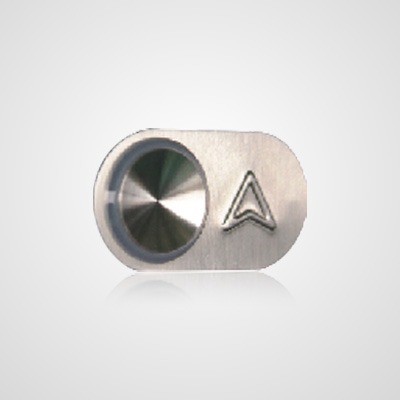
Elevators in busy buildings can be used hundreds or thousands of times each day. With every passenger selecting a destination, the floor controls experience repeated physical contact.
For this reason, elevator floor buttons installed in high-traffic environments need to be selected carefully. Durability, accessibility, visibility, electrical compatibility, and maintenance all matter.
Why Durability Is Important
A floor button may seem like a simple component, but repeated pressing can eventually affect mechanical parts, surfaces, and electrical contacts.
In high-use buildings, replacing buttons frequently can create unnecessary maintenance costs and inconvenience.
Choosing a button designed for repeated activation can help improve long-term reliability.
Select the Right Material
Material is an important part of durability.
Stainless steel is commonly selected for elevator controls because it combines a professional appearance with resistance to everyday handling.
The finish should also be considered because elevator panels are exposed to fingerprints, cleaning chemicals, and repeated contact.
Consider Vandal Resistance
Some buildings face a greater risk of intentional or accidental damage.
Public facilities, schools, transportation buildings, and other high-traffic locations may benefit from vandal-resistant button designs.
Certain commercial elevator buttons are specifically manufactured with durable stainless-steel fronts and resistance features for demanding environments.
Look for Clear Illumination
A passenger should immediately understand whether a floor request has been registered.
Illuminated controls can provide that confirmation. Depending on the design, the button may illuminate around its edge, through the legend, or across the button surface.
Modern systems can use different lighting intensities or colors to provide clear feedback.
Accessibility Should Be a Priority
High-traffic elevators serve people with different abilities.
Tactile floor numbers and Braille can help visually impaired passengers identify controls. Accessibility standards in the United States include specific requirements for tactile characters and Braille on elevator car controls.
Contrast is another useful consideration. Clear contrast between the button and surrounding panel can improve visibility.
Choose the Appropriate Size
Button size affects usability and panel layout.
A compact elevator may require smaller controls to accommodate many floors, while a large public elevator may have enough space for larger buttons.
Some elevator systems also use larger buttons to make important selections easier to identify.
Check Electrical Specifications
Before replacing an existing floor control, confirm that the new component matches the elevator’s electrical system.
Important details can include operating voltage, contact type, connection arrangement, and illumination requirements.
Even if two buttons look identical, their internal electrical specifications may differ.
Think About Installation
Installation method is another consideration.
Some buttons are front-mounted, while others may use different mounting systems. Retrofit-friendly designs can make upgrades easier when replacing older components.
Always compare the new button’s dimensions with the existing panel cutout before ordering.
Maintenance Requirements
High-traffic elevators require routine inspection.
Maintenance teams should check whether buttons are:
- Sticking
- Failing to illuminate
- Becoming loose
- Showing physical damage
- Responding inconsistently
- Developing worn legends
Early identification of problems can prevent more serious operational issues.
Cleaning Considerations
Because elevator buttons are touched frequently, cleaning is essential.
However, aggressive cleaning products can damage certain finishes or plastic components.
Use cleaning products recommended for the button material and avoid excessive moisture around electrical components.
Selecting a Reliable Product
When choosing an elevator push button for a busy building, compare material, expected activation life, illumination, accessibility features, mounting method, electrical specifications, and compatibility.
A product designed specifically for high-use elevator environments can provide a better long-term solution than a generic control.
Final Thoughts
High-traffic buildings need elevator components that can withstand constant use without sacrificing accessibility or appearance.
A durable elevator floor button should provide reliable activation, clear feedback, suitable tactile features, and compatibility with the existing control system.
By evaluating these factors before installation, building managers and elevator professionals can reduce maintenance issues while providing passengers with a clearer and more accessible elevator experience.
