

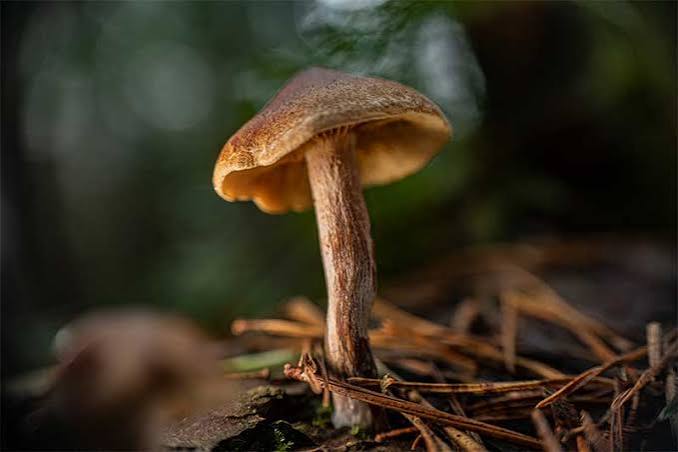
Forest macro photography offers a way to explore nature beyond what people usually notice during a walk. Instead of photographing landscapes, this hobby focuses on small subjects, textures, structures, and interactions between organisms. Insects, mushrooms, moss, leaves, and water droplets become subjects for detailed images. The activity combines observation, photography techniques, and an understanding of natural environments.
Unlike entertainment based on immediate outcomes, nature photography encourages patience and repeated observation. Digital entertainment can provide a contrasting experience, and users interested in chance-based games can click here to explore an online game involving financial risk. Forest photography, however, rewards attention to detail, preparation, and the ability to recognize subjects that others might overlook.
Why Forests Are Suitable for Macro Photography
Forests contain numerous subjects within relatively small areas. Fallen trees, decomposing leaves, damp soil, and tree bark create habitats for insects, fungi, and microorganisms.
Environmental conditions also influence photographic opportunities. Shade reduces harsh sunlight, while moisture helps preserve droplets on plants and fungi. Changes in temperature affect insect movement, making some subjects easier to photograph during cooler hours.
Another advantage is seasonal variation. Spring introduces emerging plants and insects, summer provides vegetation, autumn brings fungi and decomposing leaves, and winter reveals frost patterns.
Returning to the same forest throughout the year allows photographers to document how individual habitats change.
Insects and Spiders: Capturing Movement and Structure
Insects are among the most common subjects in forest macro photography. Beetles, ants, butterflies, flies, and caterpillars display differences in anatomy, movement, and behavior.
Photographing insects requires an understanding of their activity patterns. Many species move more slowly during cooler mornings, providing opportunities to approach without disturbing them.
Photographers can focus on wing patterns, compound eyes, antennae, and body textures. Spiders offer additional subjects, including webs, hunting behavior, and interactions with prey.
A fast shutter speed helps control motion blur, while careful focusing is essential because depth of field becomes limited at high magnification.
Avoid handling insects or damaging their habitats to obtain a photograph.
Mushrooms and Fungi: Exploring the Forest Floor
Fungi provide subjects with considerable variation in shape, texture, and color. They grow on soil, dead wood, fallen branches, and decomposing organic matter.
Macro photography can reveal gill structures beneath mushroom caps, surface patterns, and details of fungal growth.
Small clusters growing on decaying logs are particularly suitable for close-up compositions because they provide natural backgrounds and repeating forms.
Photographers should pay attention to moisture, as droplets can add visual detail without requiring artificial effects.
Mushrooms should remain undisturbed during photography. Identification is also important for documentation, although photographs alone cannot reliably determine whether a mushroom is safe to consume.
Moss, Lichens, and Small Forest Plants
Moss and lichens are frequently overlooked because they form part of the forest background. Under magnification, however, their structures become subjects for photography.
Moss contains tiny leaves, stems, and reproductive structures that create patterns. Lichens display branching, crust-like, or leaf-like forms depending on the species.
These organisms can be found on rocks, tree trunks, and fallen branches.
Photographing them works particularly well after rainfall, when moisture changes their appearance.
Using a tripod or supporting the camera against a stable surface can improve sharpness when photographing subjects that remain stationary.
Water Droplets and Natural Reflections
Water droplets offer opportunities to experiment with reflection, magnification, and light.
After rainfall or during humid mornings, droplets collect on leaves, spiderwebs, moss, and grass. Their curved surfaces can reflect surrounding trees and vegetation.
Successful photographs depend on camera position and background selection. Moving the camera slightly may change the reflected scene or eliminate distracting highlights.
Manual focusing can be helpful because autofocus systems sometimes struggle with transparent subjects.
Photographers should avoid spraying water onto sensitive organisms simply to create an effect.
Tree Bark, Leaves, and Decomposition
Tree bark contains cracks, growth patterns, and surface textures that become visible through close-up photography.
Different tree species produce variations in bark structure, creating opportunities for comparative photography.
Fallen leaves provide additional subjects, including veins, fungal growth, insect damage, and changes associated with decomposition.
Documenting these details can reveal how nutrients return to forest ecosystems.
Photographers may develop projects around a single tree species or follow the decomposition of leaves across several months.
Such projects combine photography with environmental observation.
Equipment and Techniques for Beginners
Forest macro photography does not necessarily require professional equipment. Smartphones with close-focusing capabilities can capture plants, fungi, and relatively large insects.
Dedicated macro lenses provide greater control over magnification and working distance. Extension tubes can also reduce the minimum focusing distance of compatible camera lenses.
Lighting is another consideration. Forest shade often requires slower shutter speeds or higher sensitivity settings.
A diffuser can soften artificial light, while a tripod helps maintain camera stability.
At high magnification, even small camera movements affect focus. Taking several photographs at slightly different focus distances can increase the chances of capturing a suitable image.
Building a Forest Photography Project
A structured project can make macro photography more engaging over time.
Rather than photographing every subject encountered, beginners can choose a theme. Examples include documenting five types of fungi, studying insects on one plant, or photographing moss throughout different seasons.
Recording locations, dates, weather conditions, and camera settings helps identify patterns and improve technique.
Reviewing photographs after each visit also provides opportunities to evaluate composition, focus accuracy, and lighting decisions.
Discovering Nature Through Close Observation
Forest macro photography transforms familiar environments into places for exploration. Small organisms and natural structures provide subjects that change with weather, seasons, and ecological processes.
The hobby develops patience, technical knowledge, and observation skills without requiring distant travel or expensive equipment.
Starting with accessible subjects such as moss, bark, and fungi allows beginners to practice before approaching moving insects.
Over time, repeated visits and focused projects can turn ordinary forest walks into opportunities for photographic discovery.
