

Introduction
When businesses think about protecting products in transit, cardboard boxes and bubble wrap are usually the first solutions that come to mind. However, some goods need something more substantial—especially when they are fragile, unusually shaped, or sensitive to temperature changes. This is where Expanded polystyrene blocks can provide a versatile and economical alternative.
Made from expanded polystyrene (EPS), these lightweight blocks can be shaped, cut, and adapted for different applications. Their combination of cushioning, low weight, moisture resistance, and thermal insulation makes them useful across packaging, construction, storage, display work, and specialist projects.
For businesses looking for practical protection without significantly increasing shipping weight or packaging costs, EPS is worth considering alongside solutions such as bubble wrap, foam sheets, cardboard packaging, and Pallet Wrap Manchester suppliers.
What Are Expanded Polystyrene Blocks?
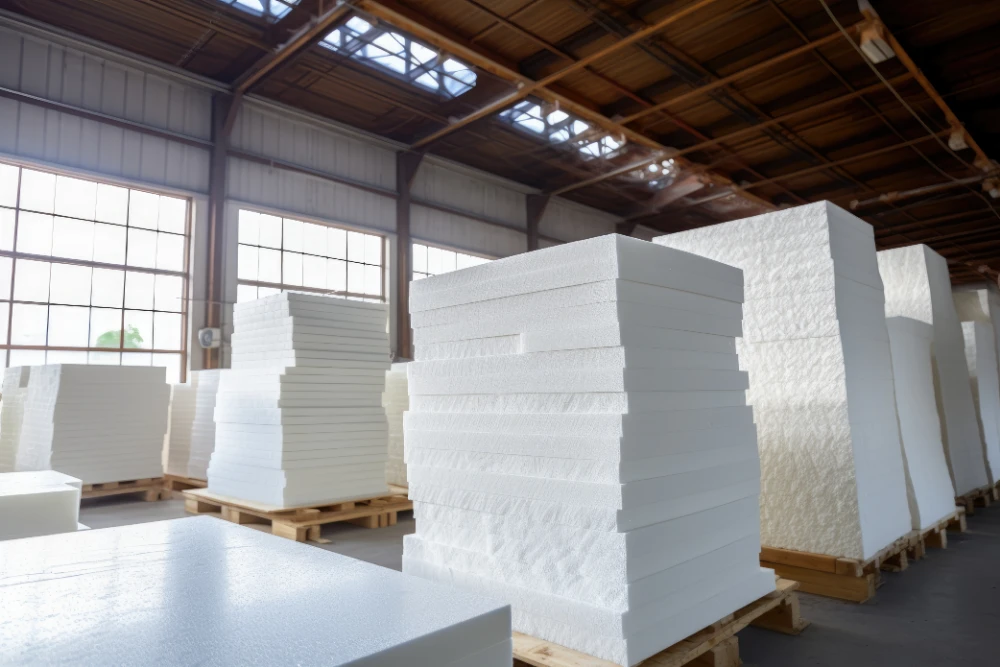
Expanded polystyrene blocks are rigid foam products manufactured from expanded polystyrene beads. The finished material contains a very high proportion of trapped air, giving it a remarkably low density while still providing useful cushioning and insulation properties.
Unlike some packaging materials that are primarily designed for one purpose, EPS blocks can be adapted for many different jobs. They can be cut into specific shapes, used as protective inserts, or incorporated into larger packaging systems.
One of their most useful characteristics is their ability to absorb and distribute impact. When a packaged item is exposed to knocks or vibration during transportation, appropriately positioned EPS can create a protective buffer between the product and the outer packaging.
This makes the material particularly useful when standard loose-fill packaging is not enough and a more structured protective solution is required.
Why Businesses Use Expanded Polystyrene Packaging
Choosing packaging is rarely just about finding the cheapest material. Businesses have to consider protection, handling, shipping weight, storage requirements, and the likelihood of damage during transit.
Expanded polystyrene packaging offers a useful combination of these characteristics.
1. Lightweight Construction
EPS is predominantly air, which explains why large pieces can remain extremely light. This can be valuable for companies shipping products regularly because packaging weight can contribute to overall transportation costs.
Lightweight packaging is also easier for employees to handle when preparing orders, moving stock around warehouses, or loading shipments.
2. Effective Product Protection
Fragile products can be damaged when they move inside a box. EPS can be positioned around an item to reduce unwanted movement and provide cushioning against external impacts.
For products with delicate surfaces, corners, or irregular shapes, customised EPS inserts can create a more secure fit than simply filling empty space with loose packaging material.
3. Thermal Insulation
EPS is not limited to impact protection. Its cellular structure also gives it useful thermal insulation properties.
This can make it suitable for applications where maintaining a more stable temperature is important. The exact performance will depend on the density, thickness, design, and application of the material, but its insulating characteristics are one reason EPS is used beyond conventional packaging.
4. Easy to Shape
One of the biggest practical advantages is that EPS can be cut and sculpted relatively easily.
A packaging manufacturer or workshop can therefore create protective components around particular products rather than relying exclusively on standard-size inserts. This is particularly useful for equipment, components, models, displays, and products with unusual dimensions.
5. Low Water Absorption
EPS has relatively low water absorption and permeability compared with many conventional porous materials. This can provide an additional advantage when goods need protection from damp conditions during handling or storage.
However, the overall packaging system should still be designed appropriately if the shipment will be exposed to significant moisture.
Where Can EPS Blocks Be Used?
The flexibility of EPS means that its applications extend well beyond shipping cartons.
Protective Packaging
The most obvious use is product protection. Blocks can be cut into shapes that surround a product, support vulnerable sections, or create separation between components.
This approach can reduce the risk of scratches, dents, and impact damage while goods are transported.
Floor and Wall Insulation
EPS is also used as an insulation material in suitable building applications. Its lightweight structure and thermal performance can make it useful where reducing heat transfer is a priority.
For construction projects, the correct grade, thickness, installation method, and applicable building requirements should always be considered.
Lightweight Construction
Because EPS combines low weight with a rigid cellular structure, it can also be incorporated into certain lightweight construction applications.
The appropriate product specification will depend heavily on the intended use, so construction projects should use material selected for the relevant technical requirements rather than treating all EPS products as interchangeable.
Exhibition and Creative Projects
EPS blocks are particularly useful when a material needs to be shaped into a three-dimensional form. This makes them suitable for scenery, displays, props, models, and other creative projects.
Their ability to be sculpted means designers can create forms that would be difficult or expensive to produce from heavier materials.
EPS Blocks vs Other Packaging Materials
No single packaging material is ideal for every product. EPS works particularly well when a shipment requires structured cushioning or insulation, while other materials can complement it.
For example, bubble wrap can provide a flexible protective layer around individual items, while EPS blocks can provide more rigid support around vulnerable areas.
Palletised shipments may require additional protection, where pallet wrap helps hold cartons securely in place. In such cases, Pallet Wrap Manchester solutions can work alongside internal packaging rather than replacing it.
This layered approach is often more effective than relying on one material alone:
Product → EPS protection → Box → External wrapping → Pallet
The right combination depends on the product’s size, weight, fragility, transportation method, and storage environment.
Key Benefits of Expanded Polystyrene Blocks
For businesses considering EPS for packaging or other applications, the main advantages include:
- Very lightweight: Easy to transport, handle, and install.
- Versatile: Suitable for packaging, insulation, construction, displays, and creative work.
- Easy to customise: Can be cut or shaped for specific requirements.
- Impact protection: Helps cushion products against knocks and vibration.
- Thermal insulation: Provides useful resistance to heat transfer.
- Low moisture absorption: Offers additional protection in suitable applications.
- Rot resistant: Does not readily deteriorate through ordinary biological decay.
- Chemically inert: Useful in environments where chemical stability is required.
- Safe to handle: Suitable for routine packaging operations when used appropriately.
- Flame-retardant grades available: Specific applications may require an appropriate fire-performance grade.
How to Choose the Right EPS Solution
The best EPS product depends on what you are trying to protect or build.
Start by considering the product dimensions. A protective insert that is too loose may allow movement, while one that is excessively tight can make packing difficult.
Next, consider weight and fragility. A delicate item may require more carefully designed support around corners and vulnerable sections.
The shipping environment also matters. If products will travel long distances, be stacked, or pass through several handling stages, the packaging should be designed with those conditions in mind.
For temperature-sensitive applications, insulation requirements should be assessed separately rather than assuming that every EPS block provides identical thermal performance.
Finally, consider whether standard blocks will meet the requirement or whether a custom-cut solution would provide better protection and reduce wasted space.
Using EPS as Part of a Complete Packaging Strategy
A strong packaging system rarely depends on one product. Different materials can perform different roles.
EPS can provide internal structure and cushioning. Bubble wrap can protect surfaces and fill smaller gaps. Cardboard boxes can provide the external container, while pallet wrap can stabilise multiple cartons during palletised transport.
For companies shipping products regularly, this combination can make packing more systematic and reduce the likelihood of damage caused by movement inside boxes.
It is also worth reviewing packaging periodically. If products frequently arrive damaged, simply adding more material may not solve the underlying problem. A better approach may be to redesign the internal support so that the product is held securely at its most vulnerable points.
Conclusion
Expanded polystyrene blocks offer more than basic cushioning. Their low weight, adaptability, insulation characteristics, and ability to be shaped make them a practical material for packaging and a range of non-packaging applications.
For businesses, the biggest advantage may be the ability to create protection without adding unnecessary weight. EPS can be combined with other packaging products to build a complete protection system, from internal cushioning to secure palletised transportation.
Whether the requirement involves protecting fragile goods, insulating a building element, creating a lightweight display, or developing a custom packaging insert, Expanded polystyrene packaging can be a flexible option worth evaluating.
The key is to select the right specification for the intended application and combine it with suitable outer packaging and handling methods. When planned correctly, EPS can help businesses protect their products while keeping packaging practical, lightweight, and cost-conscious.
