

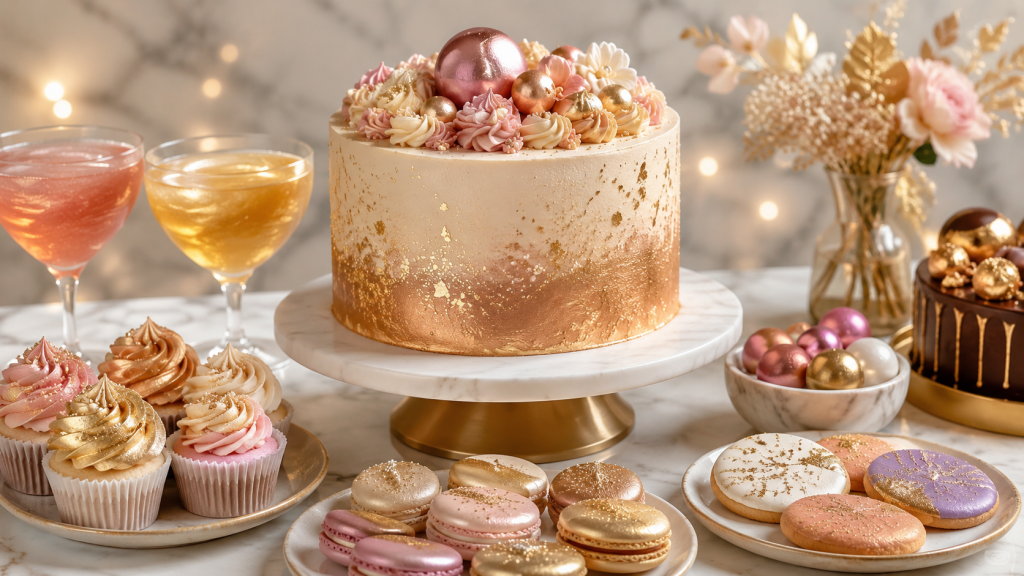
Food decoration has evolved far beyond traditional frosting, sprinkles, and simple icing patterns. Today, home bakers, professional pastry chefs, dessert artists, and creative food enthusiasts are constantly exploring new ways to make their creations visually impressive. Metallic finishes, pearlescent effects, and subtle sparkle can transform an ordinary dessert into something that looks professionally crafted.
One of the most versatile decorating materials for achieving this effect is Luster dust. Whether it is brushed onto fondant, painted onto chocolate, blended into a decorative finish, or used to create a shimmering effect on suitable beverages, edible decorating powders provide plenty of opportunities for experimentation.
The growing popularity of social media has also contributed to the rise of visually striking desserts. Cakes, cupcakes, cookies, chocolates, and drinks are increasingly designed to look as appealing on camera as they do on the table. A carefully applied shimmer can catch light, emphasize intricate details, and give a dessert a premium appearance without requiring complicated decorations.
For anyone interested in modern cake decorating, understanding how edible shimmer works and how to use it effectively can open the door to countless creative possibilities.
Why Edible Shimmer Has Become a Major Decorating Trend
Food is an experience that begins with appearance. Before tasting a dessert, people naturally notice its color, shape, texture, and presentation. This is particularly true at weddings, birthdays, anniversaries, corporate events, and other celebrations where desserts often serve as part of the overall visual experience.
Metallic and pearlescent finishes have become especially popular because they interact beautifully with light. Gold can make a simple cake look luxurious, silver can create a contemporary appearance, and rose gold can produce a softer, elegant aesthetic.
Unlike bulky decorations, edible powders can add visual impact without significantly changing the shape or structure of a dessert. A plain buttercream cake, for example, can be transformed with a few carefully placed metallic accents.
This makes edible shimmer useful for both beginners and experienced decorators. Beginners can experiment with simple brushing techniques, while professionals can use powders to create detailed artistic effects.
Understanding Luster Dust and Edible Glitter
Although the terms are sometimes used interchangeably, luster dust and edible glitter can produce different visual effects.
Luster dust generally refers to a very fine powder designed to create a pearlescent, satin, or metallic appearance. Because the particles are extremely fine, the powder can provide a smooth-looking sheen when applied correctly.
Edible glitter, on the other hand, is commonly associated with a more noticeable sparkling effect. Depending on the product, the particles may be larger and designed to reflect light more dramatically.
The right choice depends on the desired result. Someone creating an elegant wedding cake may prefer a subtle metallic finish, while a birthday cake or celebration dessert may benefit from a stronger sparkle.
It is also important to distinguish products intended for consumption from products that are merely decorative. Not every item marketed as glitter, shimmer, or decorative dust is necessarily suitable for eating. Always check the product label and manufacturer’s information before applying any decorative material directly to food.
Choosing Food-Safe Decorative Products
Quality and intended use should always come before appearance.
When selecting decorative powders, consumers should look for products specifically manufactured and labelled for food applications. Terms such as “non-toxic” should not automatically be interpreted as meaning “edible.” A non-toxic decorative material may not have been designed for consumption.
This distinction is particularly important for cakes and desserts prepared for other people. Professional bakers need confidence that the ingredients they use are appropriate for food decoration and clearly identified for their intended purpose.
Luster Dust’s product range focuses on edible shimmer and food-grade mica-based pigments, with the company highlighting characteristics such as vegan and gluten-free options. Its collection includes a variety of colors designed for creative food decoration.
Using a reputable source can make it easier for decorators to understand how a particular powder should be applied and which types of food surfaces are appropriate.
Transforming Cakes With Metallic Finishes
Cakes offer one of the best surfaces for experimenting with edible shimmer.
A fine powder can be lightly brushed across fondant, molded decorations, dried icing, or other suitable surfaces. This technique allows decorators to emphasize specific details without covering the entire cake.
For example, gold can be brushed along the edges of fondant leaves, flowers, geometric patterns, or lettering. Silver can be used to highlight winter-themed designs, while rose gold works beautifully with blush, cream, pink, and neutral color palettes.
Another technique involves creating a paintable mixture. The decorating powder can be combined with a suitable food-safe liquid according to the manufacturer’s recommendations and then applied using a fine brush.
This method provides greater control and makes it possible to create:
- Metallic brush strokes
- Fine borders
- Decorative lettering
- Geometric patterns
- Floral details
- Abstract designs
- Metallic panels
- Highlighted fondant decorations
The most attractive results often come from controlled application rather than excessive coverage. A subtle metallic accent can look considerably more sophisticated than a cake completely covered in shimmer.
Cupcakes and Cookies as Miniature Canvases
Small desserts provide an excellent opportunity for creative experimentation.
Cupcakes can be decorated with shimmering buttercream, metallic accents, or carefully dusted toppings. Cookies can feature gold borders, silver patterns, colorful designs, or subtle pearlescent highlights.
Because each cupcake or cookie is relatively small, decorators can try several combinations within the same batch. One set might use gold and cream, another rose gold and pink, while another could feature silver and blue.
This is particularly useful for themed parties. Instead of purchasing numerous decorative ingredients, a small selection of food-safe shimmer colors can provide enough flexibility to create different visual effects.
For professional cookie decorators, shimmer can also help emphasize intricate royal icing work. Applying a small amount to specific raised details can make the design appear more dimensional.
Creating Luxurious Chocolate Decorations
Chocolate naturally lends itself to metallic decoration.
Dark chocolate provides a dramatic background for gold, silver, copper, and other reflective colors. Chocolate truffles, molded chocolates, dipped strawberries, chocolate bars, bonbons, and decorative chocolate pieces can all be enhanced with carefully applied edible shimmer.
The key is to preserve the character of the chocolate while adding visual contrast.
For example, a dark chocolate truffle with a small gold accent can look elegant and sophisticated. A chocolate cake with metallic brush strokes can create a luxurious appearance without requiring elaborate piping.
Metallic finishes are also useful for dessert tables because they create contrast between darker chocolate items and lighter cakes, cookies, and pastries.
Using Shimmer in Drinks
Edible decorating powders can also add a dramatic visual element to certain beverages.
A suitable fine shimmer powder can move through a drink when the glass is gently swirled, producing an attractive suspended effect. This can work particularly well with transparent or lightly colored beverages where the movement of the particles remains visible.
Shimmering drinks can be particularly effective at celebrations, dinner parties, weddings, and themed events.
However, not every decorative powder is appropriate for beverages. Always verify that the specific product is intended for drink applications and follow its usage instructions carefully.
When using an appropriate product, only a small quantity may be necessary to create a noticeable effect. Starting with a small amount allows the decorator to control the intensity instead of making the drink excessively cloudy.
Selecting the Right Color for Your Project
Color selection plays a major role in the final appearance of a decorated dessert.
Gold
Gold is one of the most versatile metallic colors. It works with white, cream, chocolate, green, red, pink, and many other shades. It is particularly suitable for weddings, anniversaries, festive celebrations, and luxury-inspired designs.
Silver
Silver creates a cooler and more modern appearance. It pairs well with white, blue, grey, dark chocolate, and winter-themed decorations.
Rose Gold
Rose gold has become a popular choice for elegant contemporary desserts. It complements blush pink, cream, white, peach, pastel shades, and neutral tones.
Bright Colors
Brighter shades can be useful for birthdays, children’s celebrations, seasonal desserts, and themed events. Purple, blue, green, red, yellow, and pink can introduce personality while maintaining the visual impact of a shimmering finish.
Choosing several complementary shades also makes it possible to create gradients and blended effects.
Why Application Technique Matters
The quality of a decorating powder is only part of the equation. Application technique has an equally important influence on the finished result.
A clean, soft brush can help distribute a fine powder evenly. Applying a small amount first gives the decorator more control and makes it easier to build intensity gradually.
For painted details, the consistency of the mixture should be suitable for the technique being used. A mixture that is too thick may create uneven lines, while one that is too thin may provide insufficient coverage.
Testing the product on a small sample before decorating the final dessert is always a sensible approach. Different surfaces can react differently to the same powder, and the underlying color can affect how the final shimmer appears.
Avoiding Common Decorating Mistakes
One of the most common mistakes beginners make is using too much shimmer.
More product does not necessarily mean a better finish. Excessive powder can hide decorative details and create an uneven appearance.
Another common mistake is choosing a color that does not complement the dessert. Metallic gold may look beautiful against white fondant but can become less visible on certain yellow or brown surfaces.
Using the wrong type of decorative product can also cause problems. Always confirm whether the material is edible and whether it is suitable for the specific application.
Finally, rushing the process can lead to uneven results. Edible shimmer is often most effective when applied gradually and deliberately.
Making Desserts More Photogenic
Modern dessert decoration is closely connected to food photography.
Metallic finishes reflect light and can add depth to photographs. This makes them particularly useful for bakery websites, social media posts, online portfolios, menus, and event photography.
However, shimmer should support the composition rather than overwhelm it.
A cake with a subtle gold edge may photograph better than one completely covered in glitter because the metallic detail creates contrast while allowing the cake’s overall design to remain visible.
Natural window light, soft studio lighting, and carefully positioned highlights can all help metallic decorations appear more dimensional.
A Simple Starting Point for Beginners
People who are new to edible decorating powders do not need an extensive collection of tools.
A few basic supplies can be enough to begin:
- A food-safe decorating powder
- Clean, soft decorating brushes
- A suitable dessert surface
- An appropriate food-safe liquid if painting is required
- A small test surface
Start by applying a tiny amount to the test surface. Observe how the powder interacts with the base color and texture. From there, gradually increase the intensity until the desired effect is achieved.
Once comfortable with basic brushing, decorators can experiment with painted designs, gradients, metallic borders, highlighted details, and combinations of multiple colors.
Building a Versatile Decorating Collection
A small selection of high-quality colors can provide enormous creative flexibility.
Instead of purchasing every available shade, beginners can start with versatile options such as gold, silver, white, and rose gold. These colors can be used across numerous occasions and combined with a wide range of icing colors.
More experienced decorators can gradually expand their collection with brighter colors and specialty shades.
Having different finishes available also makes it easier to match specific event themes. A wedding cake might require a soft pearl effect, while a birthday cake could call for bold purple or blue sparkle.
Why Quality Matters for Professional Results
Consistency is especially important when decorating desserts for customers.
Professional bakers need products that deliver predictable color, texture, and coverage. If the same design is being reproduced across several cakes or dozens of cookies, inconsistent decorative materials can make the final products look noticeably different.
For this reason, selecting products from a dedicated edible decorating supplier can be a practical choice. A specialized collection makes it easier to compare colors, explore different finishes, and select materials according to the project.
Luster Dust offers a range of edible decorating colors and sizes designed to give bakers and food creators flexibility when working on cakes, cookies, chocolates, and other edible projects.
Frequently Asked Questions
What is the difference between luster dust and edible glitter?
Luster dust is generally a very fine powder that creates a pearlescent or metallic finish. Edible glitter is typically associated with a stronger sparkle effect and may contain more visibly reflective particles. The exact appearance depends on the product.
Is Luster Dust suitable for cake decorating?
Products intended for edible use can be used according to their specific instructions. Always check the manufacturer’s product information before applying a decorative powder to food.
Can edible glitter be used on cookies?
Yes, suitable edible glitter can be used to decorate cookies. It can be applied to icing, fondant, or other appropriate surfaces depending on the product and decorating technique.
Can luster dust be painted onto fondant?
Many fine edible powders can be used to create painted effects when combined with a suitable food-safe liquid. The recommended method can vary by product, so following the manufacturer’s instructions is important.
Which color should beginners try first?
Gold is an excellent starting point because it complements many dessert colors and themes. Silver and rose gold are also versatile options.
Can edible shimmer be used in drinks?
Some products are specifically designed for beverage applications. Before adding shimmer to a drink, verify that the product is intended for that purpose and follow the manufacturer’s instructions.
Final Thoughts
The beauty of edible decorating powders is their ability to make relatively simple desserts look distinctive without requiring complicated equipment or advanced pastry techniques.
A carefully brushed metallic accent can transform a plain cake. A touch of shimmer can make cookies feel more special. A reflective chocolate decoration can elevate a dessert table, while a suitable shimmering beverage can add an unexpected visual element to a celebration.
The secret is not simply adding sparkle. Successful food decoration depends on selecting appropriate food-grade products, choosing complementary colors, understanding the surface being decorated, and applying the material with control.
For anyone looking to explore modern dessert decoration, Luster dust, edible glitter, and edible luster dust offer creative ways to experiment with color, light, texture, and presentation. With a little practice and the right technique, these versatile decorating materials can help turn everyday baking projects into visually memorable creations.
