

Teams maintaining exceptional defensive records create predictable opportunities in markets requiring one team to fail scoring, particularly when underlying metrics confirm systemic defensive strength rather than temporary variance. Bayern Munich and RB Leipzig both conceded just 37 goals across 34 Bundesliga matches in 2021/22—the league’s joint-best defensive record. Union Berlin allowed 44 goals to secure fifth place, while Freiburg’s 46 goals conceded supported their sixth-place finish and DFB-Pokal final appearance. Manuel Neuer and Robin Zentner tied for most individual clean sheets, each recording multiple shutouts that reflected their teams’ defensive organization. These patterns rewarded bettors targeting one-team-fails-to-score markets when defensive systems faced offensively limited opponents, though fixture context and opponent quality determined when defensive dominance translated into actual shutouts versus narrow wins allowing late consolation goals.
What Distinguishes Systemic Defensive Excellence
Elite defensive records emerge from tactical discipline extending beyond individual quality. Bayern’s 37 goals conceded under Julian Nagelsmann represented organizational achievement despite implementing a new coach’s system. Lucas Hernández “defended like his life depended on it” within Nagelsmann’s 4-2-3-1 structure, illustrating how tactical clarity enables collective defensive excellence. Leipzig matched Bayern’s 37 goals allowed through systematic pressing that prevented opponents establishing possession in dangerous areas. Both teams combined elite individual defenders with cohesive tactical frameworks, creating redundancy that maintained defensive standards even during personnel rotations.
Freiburg’s 46 goals conceded positioned them third-best defensively while operating on significantly smaller budgets than Bayern or Leipzig. Christian Streich’s system prioritized defensive shape maintenance, with Nico Schlotterbeck emerging as one of Europe’s best center backs through disciplined positioning and progressive ball-carrying. Their defensive success occurred despite offensive commitment that saw them score 58 league goals—demonstrating that clean sheets can coexist with attacking ambition when defensive transitions receive tactical emphasis.
Personnel Profiles Enabling Defensive Consistency
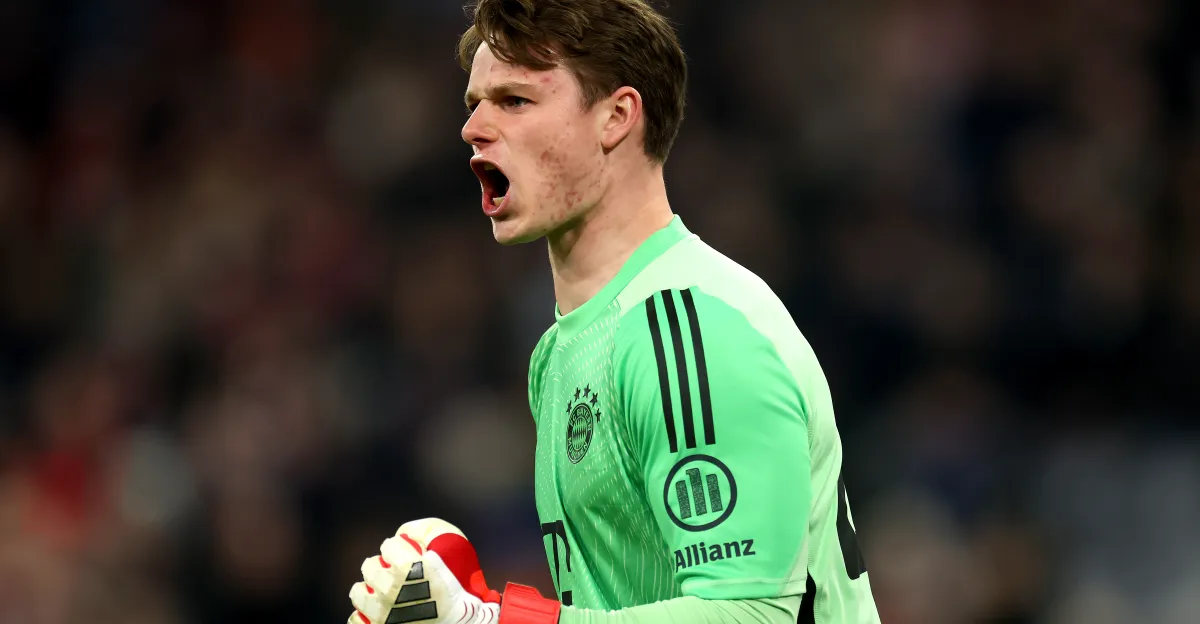
Goalkeeper quality determines whether defensive organization produces clean sheets or narrow wins allowing late goals. Manuel Neuer’s shot-stopping and distribution ensured Bayern converted defensive dominance into shutouts rather than merely limiting opponent chances. His positioning minimized dangerous rebound opportunities, a subtle factor that distinguished complete shutouts from victories where opponents scored consolation goals. Robin Zentner’s performance for Mainz demonstrated how exceptional goalkeeping elevates mid-table defensive records beyond what underlying metrics suggest sustainable.
Center back partnerships providing aerial dominance and recovery speed allowed high defensive lines without catastrophic errors. Union Berlin’s defensive unit combined physical presence with tactical discipline, conceding 44 goals while implementing a system that minimized opponent space in the final third. Their approach differed from Bayern’s possession-based defense but achieved comparable clean sheet frequency against appropriate opposition.
Age and Experience in Defensive Units
Veteran defenders demonstrated superior positional awareness that prevented dangerous situations before they developed. Bayern’s defensive core combined peak-age experience with emerging talent, creating balance between physical capacity and tactical understanding. This mix proved more reliable for clean sheet purposes than solely young, athletic defenders prone to positional errors despite superior recovery speed.
Leipzig’s defensive consistency relied on systematic coaching that standardized positioning across personnel changes. Their ability to maintain the league’s joint-best defensive record despite coaching transition from Nagelsmann to Marsch to Tedesco illustrated how embedded tactical principles can sustain defensive standards even during organizational upheaval.
Opponent-Specific Clean Sheet Probability
Clean sheet likelihood varied dramatically based on opponent offensive quality. Bayern maintaining defensive standards against elite attacking sides demonstrated genuine excellence, while clean sheets against relegation-threatened teams represented expected outcomes given talent disparity. Freiburg’s 0-0 draw with Mainz on Matchday 5 and subsequent 1-1 draw on Matchday 22 illustrated how evenly matched defensive systems produced low-scoring matches without guaranteeing shutouts for either side.
Union Berlin’s 0-0 draw with Freiburg showed two defensively solid teams neutralizing each other’s attacks, creating optimal conditions for under markets rather than clean sheets for either specific side. These matchups required different betting approaches than situations where elite defenses faced offensively limited opponents. The key involved identifying mismatches where defensive quality significantly exceeded opponent attacking capacity, making one team failing to score a high-probability outcome.
Tracking specific team combinations revealed which defensive sides consistently shut down particular offensive systems. Freiburg’s varied results against Hoffenheim—including 1-2, 3-4, and other high-scoring affairs—showed that even defensively competent teams conceded freely against specific tactical matchups prioritizing end-to-end football.
Market Pricing for Defensive Specialists
Oddsmakers adjusted clean sheet and one-team-fails-to-score markets throughout seasons as defensive records became established. Bayern and Leipzig’s consistent defensive excellence became priced efficiently by mid-season, compressing margins on backing them to keep opponents scoreless. Value shifted toward identifying specific opponent weaknesses that increased clean sheet probability beyond what generalized defensive metrics suggested.
Mainz and Freiburg’s early-season defensive strength created temporary market inefficiencies before oddsmakers fully recognized their organizational quality. Both teams entered 2021/22 without reputations as defensive specialists, allowing early opportunities when markets underpriced their clean sheet capacity. By season’s end, pricing had corrected to reflect their genuine defensive capabilities.
Home versus away splits significantly influenced clean sheet probability for defensive teams. Freiburg recorded eight home wins with five draws and four losses, contrasting with seven away wins, five draws, and five away defeats. Their home defensive performance benefited from crowd support and familiar conditions, making home clean sheets more likely than away shutouts even against inferior opposition.
Fixture Congestion Effects on Defensive Standards
Teams competing across multiple competitions experienced defensive degradation during congested periods. Freiburg’s run to the DFB-Pokal final required energy expenditure that occasionally compromised Bundesliga defensive focus. Their 1-4 home loss to Bayern on Matchday 28 occurred between cup commitments, illustrating how fixture density affects even well-organized defensive units. Monitoring fixture schedules revealed when defensive teams faced rotational necessity that temporarily lowered clean sheet probability.
Bayern managed fixture congestion through superior squad depth, maintaining defensive standards despite Champions League participation. Their 4-1 victory over Freiburg demonstrated continuing defensive solidity even within demanding schedules. Lesser squads lacking rotation options experienced more pronounced defensive declines during congested periods, creating betting opportunities backing against their clean sheets when fatigue became apparent.
Certain bookmaker configurations respond to fixture congestion differently based on their analytical sophistication. Online betting sites emphasizing statistical modeling sometimes underweight fatigue factors when setting clean sheet odds, particularly for smaller clubs whose rotation patterns receive less analytical attention. When accessing markets through ufa168 slot, participants tracking cumulative minutes played and recovery time between fixtures occasionally identify mispriced clean sheet probability for defensively strong teams facing their third match in seven days. This informational edge persists because automated pricing systems frequently apply season-long defensive averages without adjusting for short-term fatigue accumulation that measurably increases goals-conceded rates.
Tactical Adjustments Opponents Employed
Visiting teams implementing ultra-defensive low blocks occasionally frustrated even elite defensive sides into tactical errors. Mainz’s 0-0 draw with Freiburg on Matchday 5 showed how defensive stalemates emerge when both teams prioritize shape over attacking ambition. These situations produced under markets but didn’t guarantee clean sheets for superior defensive sides because single defensive errors or set-piece goals could break deadlocks.
Opponents recognizing defensive strength occasionally abandoned possession-based approaches for direct counter-attacking strategies. This tactical shift reduced clean sheet probability for dominant defensive teams because fewer possession sequences meant fewer opportunities to force errors. Augsburg’s 2-0 home victory over Union Berlin demonstrated how tactically pragmatic approaches occasionally breached even solid defensive units.
Live betting markets often present distinct clean sheet value from pre-match odds because in-game tactical adjustments alter scoring probability. Environments structuring their casino online operations separately from sportsbook divisions may deploy independent pricing models for live clean sheet markets, occasionally creating situations where in-play odds fail to adjust adequately when dominant defensive teams take early leads and opponents abandon attacking ambition. These pricing inefficiencies appear most frequently in matches involving mid-tier defensive sides facing relegation-threatened opponents, where trailing teams’ tactical desperation creates predictable late-game patterns that automated live pricing algorithms sometimes misprice.
Late-Game Defensive Concentration Lapses
Even elite defensive teams occasionally conceded consolation goals after establishing comfortable leads. Bayern’s 4-1 victory over Freiburg included a late Freiburg goal that prevented clean sheet backers from cashing despite comprehensive Bayern dominance. These outcomes illustrated the distinction between defensive dominance and actual shutouts—concentration lapses or rotational substitutions sometimes allowed meaningless late goals that destroyed clean sheet positions.
Union Berlin’s defensive discipline extended throughout full matches more consistently than teams employing aggressive high lines. Their tactical conservatism maintained defensive shape even when protecting leads, reducing late consolation goal frequency compared to possession-dominant sides that pushed numbers forward even with multi-goal advantages.
Summary
Bundesliga 2021/22’s defensive leaders—Bayern Munich and RB Leipzig with 37 goals conceded each, followed by Union Berlin with 44 and Freiburg with 46—created reliable foundations for one-team-fails-to-score markets. Systemic defensive excellence emerged from tactical organization rather than purely individual quality, with coaching consistency and veteran leadership maintaining standards across fixture congestion. Opponent-specific analysis proved essential because defensive strength alone didn’t guarantee clean sheets against tactically compatible systems. Market efficiency compressed value on established defensive sides by mid-season, shifting opportunities toward fixture-specific analysis considering fatigue, opponent offensive limitations, and home-away splits. Late-game concentration lapses represented primary risk to clean sheet positions even when defensive dominance appeared comprehensive.
